Best Bleisure Destinations United States: A Strategic 2026 Guide
The integration of professional obligations with leisure pursuits is no longer a fringe benefit or a clandestine extension of a business trip. In the current economic and cultural landscape, this hybrid model—frequently termed “bleisure”—has transformed into a structured component of corporate mobility and talent retention. Best Bleisure Destinations United States. As the boundary between the traditional office and the remote workspace continues to blur, the United States has seen a proliferation of urban and suburban centers that are specifically engineered to support this dual existence. These locations must provide a robust technological infrastructure and logistical ease while simultaneously offering cultural or recreational depth that justifies a multi-day extension.
For the modern professional, the selection of an ideal locale for a hybrid trip is a matter of strategic geography. It requires more than just a comfortable hotel; it demands an environment where “high-utility work zones” coexist with “high-value leisure assets.” The complexity arises from the need for seamless transitions. A destination fails the bleisure test if the commute between a convention center and a recreational hub consumes the very time the traveler intended to save. Consequently, the premier destinations in this category are those that have successfully implemented mixed-use urban planning, integrating business districts with lifestyle amenities.
The systemic shift toward this travel model is also driving a significant evolution in the hospitality industry. Hotels are being redesigned to move beyond the rudimentary “business center” in favor of integrated co-working lounges and wellness suites. Simultaneously, municipal governments are recognizing that a “bleisure-friendly” reputation is a critical driver of local economic growth, attracting high-spending visitors who stay longer than the average conference attendee. This analysis explores the structural requirements of these environments and identifies the foundational factors that separate a standard business hub from a world-class hybrid destination.
Understanding “best bleisure destinations united states”
To properly evaluate the best bleisure destinations united states, one must look beyond travel brochures and examine the underlying “utility infrastructure” of a city. A true bleisure destination is a multi-dimensional ecosystem where the requirements of the “Deep Work” professional and the “High-Engagement” tourist are met simultaneously. From an editorial perspective, this involves assessing a city’s “Transit Porosity”—the ease with which one can move from a high-stakes meeting in a central business district (CBD) to a museum, park, or culinary hub.
A significant oversimplification in this field is the belief that any city with a large airport and a few nice restaurants qualifies as a top-tier destination. In reality, the distinction lies in “Time-Value Optimization.” The most effective destinations are those that minimize the administrative friction of travel. This includes high-density hotel clusters within walking distance of convention centers, reliable public transit to secondary cultural districts, and a high concentration of “third places”—cafes and lounges that are socially vibrant yet functionally equipped for professional use.
Understanding these destinations also requires an analysis of the “Lifestyle Delta.” This is the gap between the traveler’s home environment and the destination’s offerings. A successful extension depends on the destination providing a cultural or environmental experience that is sufficiently distinct from the traveler’s daily routine. Whether it is the maritime accessibility of San Diego, the historic density of Boston, or the desert modernism of Scottsdale, the destination must act as a psychological “gear shift” from the rigors of the workweek.
The Historical Evolution of Hybrid Travel
The concept of combining business with pleasure is not new, but its formalization as a corporate category is a 21st-century phenomenon. In the mid-20th century, “The Business Trip” was a rigid, austere undertaking. It was a period of “Single-Channel Mobility,” where travel was strictly transactional. The goal was to arrive, conduct the meeting, and return as quickly as possible to minimize expenses and maximize office presence.
The 1980s and 90s introduced the “Corporate Convention” era, where large-scale gatherings began to be held in “Resort Hubs” like Las Vegas or Orlando. While this brought a leisure element into the fold, it was often forced and communal. The “Bleisure” we recognize today—individualized, flexible, and often involving family or partners—emerged from the “Digital Nomad” movement of the early 2010s. This period proved that productivity was not tied to a specific geographic coordinate, provided the Wi-Fi was stable.
The global events of the early 2020s acted as a massive catalyst, de-stigmatizing the practice of working from non-traditional locations. What was once seen as a lack of focus is now viewed as a “Work-Life Integration” strategy. Companies have realized that allowing employees to extend a trip on their own dime can reduce burnout and increase retention. Today, we are in the “Policy-Integrated Era,” where travel management companies (TMCs) and HR departments are actively rewriting guidelines to accommodate and track these hybrid journeys.
Conceptual Frameworks and Mental Models
When vetting a location for a hybrid extension, the following frameworks help distinguish between a gimmick and a genuine asset.
The “Frictionless Transition” Model
This model assesses how much cognitive energy is required to switch from “Work Mode” to “Play Mode.” A city with high friction requires a rental car, long commutes, and separate logistics for every activity. A low-friction city, such as Chicago or Washington D.C., allows the traveler to close their laptop and be at a major cultural institution or waterfront within 15 minutes.
The “24-Hour Utility” Lens
A top destination must be functional at all hours. This is critical for professionals working across time zones. A city that “shuts down” at 9 PM fails the bleisure test for a traveler who needs to be on a late-night call with Asia before enjoying a midnight meal or a quiet late-night stroll in a safe, well-lit district.
The “Infrastructure of Rest”
This mental model prioritizes wellness and biological recovery. It evaluates a destination based on its access to green space, air quality, and noise-mitigation in its business districts. A city that is purely a “concrete jungle” may facilitate work but fails to provide the “leisure” component that drives physiological recovery.
Key Categories of Bleisure Hubs and Trade-offs
The American landscape offers diverse archetypes of destinations, each serving a different professional profile.
| Destination Archetype | Key Examples | Primary Business Strength | Primary Leisure Strength |
| The Urban Powerhouse | NYC, Chicago, Boston | Global financial/tech hubs | World-class arts & dining |
| The Coastal Retreat | San Diego, Miami, Charleston | Strong biotech/trade sectors | Beach/Waterfront access |
| The Innovation Corridor | Austin, Seattle, San Jose | High-growth tech ecosystems | Outdoor/Adventure proximity |
| The “New West” Hub | Denver, Salt Lake City | Aerospace/Energy sectors | Mountain/Skiing accessibility |
| The Cultural Anchor | New Orleans, Nashville | Tourism/Healthcare/Music | Unique heritage & nightlife |
Detailed Real-World Scenarios Best Bleisure Destinations United States
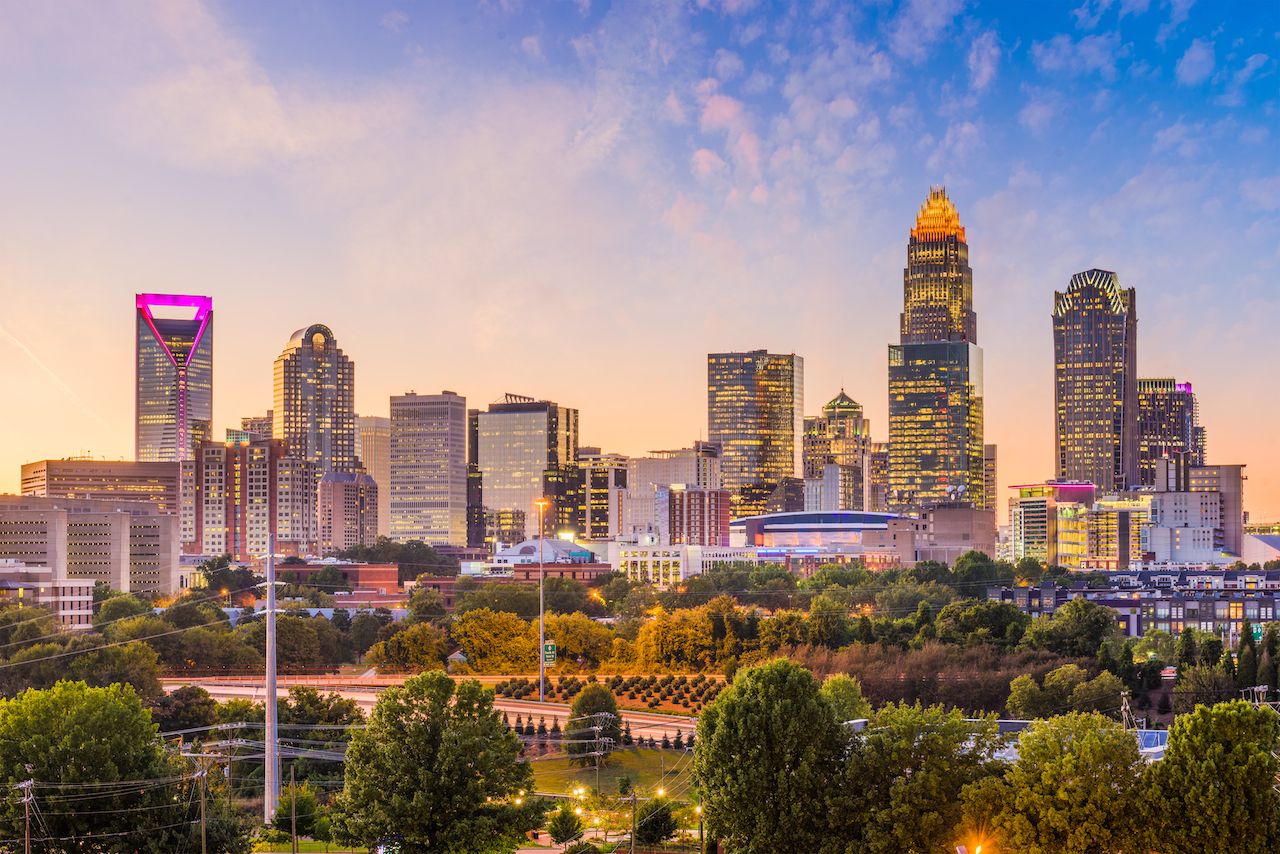
Scenario 1: The High-Stakes Tech Summit in Austin
A software engineer attends a three-day conference in downtown Austin.
-
The Business Need: High-speed internet, proximity to the Austin Convention Center, and networking lounges.
-
The Leisure Extension: Two days of exploring the “Texas Hill Country” or the live music scene on 6th Street.
-
The Failure Mode: If the traveler stays at a suburban hotel to save money, they lose 90 minutes a day in traffic, negating the time benefit of the extension.
-
The Strategy: Use a downtown hotel with an “Extended Stay” rate that includes co-working access.
Scenario 2: The Biomedical Forum in San Diego
A researcher flies to San Diego for a symposium at the waterfront.
-
The Business Need: Proximity to the “Life Sciences” cluster in La Jolla and the downtown Gaslamp Quarter.
-
The Leisure Extension: Surfing, visiting the Balboa Park museums, or a day trip to the Coronado Islands.
-
The Strategy: Leverage the city’s light-rail (Trolley) system to avoid the cost and stress of parking, allowing for a seamless transition from the lab to the beach.
Planning, Cost, and Resource Dynamics
The economics of a hybrid trip require a clear “Cost-Separation” strategy to maintain corporate compliance while personalizing the experience.
Range-Based Cost Allocation Table
| Expense Category | Business Coverage (Typical) | Personal Coverage (Extension) | Strategy |
| Airfare | 100% (Round Trip) | 0% (Unless price increases) | Book early to lock in the base fare. |
| Lodging | Mon – Wed Nights | Thu – Sat Nights | Ask for a “Corporate-to-Leisure” rate. |
| Ground Transit | Airport/Venue Shuttles | Personal Rental/Rideshare | Separate receipts in travel app. |
| Dining/Meals | Per Diem (Business days) | Out-of-pocket | Use personal card for weekend meals. |
The Opportunity Cost of Poor Selection:
If a professional chooses a destination that is not “Bleisure-Optimized,” the indirect costs can be substantial. This includes the cost of “Mental Drag”—the fatigue resulting from navigating a city that is not designed for walkability or easy transit. A truly optimized destination acts as a “Force Multiplier” for the traveler’s time.
Tools, Strategies, and Support Systems
-
Integrated Travel Management Platforms: Using apps that allow users to “toggle” between business and personal profiles on a single itinerary.
-
Local “Co-working Pass” Networks: Subscriptions like “Industrious” or “WeWork” that provide a consistent office environment in any major US city.
-
Walk Score & Transit Score Metrics: Pre-vetting hotels based on their proximity to both the meeting venue and “points of interest.”
-
Resort-Fee Waivers: Negotiating with hotels to waive “resort fees” during the business portion of the stay.
-
Luggage Storage Solutions: Using services like “Bounce” or “LuggageHero” to bridge the gap between hotel check-out and a late-night flight.
-
Digital Nomad Communities: Leveraging local Slack channels or LinkedIn groups to find “quiet work zones” in unfamiliar cities.
Risk Landscape and Failure Modes
The “Bleisure” model is not without its systemic risks, which can be categorized into professional and personal failures.
-
The “Visibility” Risk: If an employee is visibly engaged in leisure activities during business hours (e.g., posting to social media while a meeting is in session), it can damage professional reputation and company culture.
-
The “Tax Nexus” Failure: For international travelers or those staying for extended periods (e.g., over 30 days), staying in a destination can trigger complex tax obligations for both the individual and the employer.
-
The “Insurance Gap”: Most corporate travel insurance policies expire the moment the “Business” portion of the trip concludes. An injury during a weekend hike in Denver may not be covered by the company’s policy.
-
The “Connectivity Collapse”: Relying on a destination that has beautiful scenery but “spotty” 5G or Wi-Fi can lead to missed deadlines and a failure of the business objective.
Governance and Long-Term Adaptation
As organizations mature, they must move away from “Ad-hoc” extensions toward a “Governance Framework” for hybrid travel.
The Hybrid Travel Policy Checklist
-
Definition of “Business Days”: Clearly stating when the company’s financial responsibility ends.
-
Approval Workflows: A streamlined process for extending a trip that doesn’t require VP-level intervention for every request.
-
Duty of Care Extensions: Deciding if the company will provide security or emergency support during the personal portion of the trip.
-
Expense Separation Protocol: Standardizing how receipts are submitted to prevent the accidental billing of “Personal Leisure” to a client.
Measurement, Tracking, and Evaluation
How does an individual or an organization determine if they have chosen the “Best” destination?
Leading Indicators (Predictive):
-
Advance Purchase Window: Trips planned with a hybrid extension are often booked further in advance, leading to lower airfare costs.
-
Direct Flight Availability: A destination with a high “Direct Flight” frequency reduces travel time, increasing the “Leisure Yield.”
Lagging Indicators (Historical):
-
Traveler Satisfaction Score: Post-trip surveys that measure the balance between work output and personal refreshment.
-
Retention Metrics: Correlation between employees who utilize bleisure options and their long-term tenure at the firm.
Documentation Examples:
-
The “Split-Receipt” Log: A clean breakdown of expenses that passed a corporate audit.
-
The “Outcome-to-Extension” Ratio: A tracking of whether the “Business Goals” were met prior to the “Leisure Extension.”
Common Misconceptions and Oversimplifications
-
“Bleisure is only for young professionals.” Data shows that mid-to-senior level executives are the most frequent users of hybrid travel, often bringing spouses or families.
-
“It’s always a tax dodge.” Most hybrid travelers are scrupulous about paying their own way for extensions; the “benefit” is the saved airfare, not a free vacation.
-
“The company saves money on the flight.” While the company pays the same for the flight, they don’t necessarily “save.” The value is in employee morale and reduced burnout.
-
“Any resort city is a good bleisure spot.” Many resort towns have poor internet and no quiet spaces for confidential calls, making them “Leisure-Only” destinations.
-
“You can’t be as productive in a hybrid setting.” Many travelers report higher productivity because they are motivated to finish work early to enjoy the destination.
-
“It’s only for the tech industry.” Finance, healthcare, and manufacturing sectors are all seeing a rise in hybrid travel as workforces become more distributed.
-
“The destination doesn’t matter as long as the hotel is nice.” The “Total Environment”—safety, transit, and local culture—is what defines the “Best” experience, not just the room.
Ethical and Practical Considerations
In the pursuit of the best bleisure destinations united states, one must consider the “Overtourism” factor. Choosing secondary cities (e.g., Indianapolis or Columbus) over “saturated” hubs like NYC or SF can provide a more authentic experience and reduce the strain on local infrastructure. Furthermore, travelers should be conscious of the “Work-Life Blur”—the danger of never truly being “off” even during the leisure portion of the trip. The practical challenge is to establish “Digital Boundaries” that allow the destination to do its job of providing genuine rest.
Synthesis and Strategic Conclusion
The selection of a destination for a hybrid journey is a sophisticated balancing act between the “Hard Assets” of a city (connectivity, infrastructure, labor) and its “Soft Assets” (culture, aesthetics, climate). The United States offers a diverse portfolio of cities that cater to this modern requirement, but the “best” destination remains highly contextual—it depends entirely on the industry, the individual’s recovery needs, and the organizational culture.
As we look toward the future, the integration of professional and personal life will likely become even more seamless. The destinations that thrive will be those that view the “Business Traveler” not as a transient visitor, but as a “Temporary Resident” who requires a complete ecosystem to succeed. By understanding the frameworks of time-value and frictionless transition, travelers and organizations can transform the necessary burden of business travel into a powerful tool for personal and professional growth.