
How to Avoid Business Travel Burnout: The 2026 Executive Guide
The modern global economy is sustained by a class of mobile professionals whose primary function is to bridge the gap between digital communication and physical presence. While technology has rendered many meetings virtual, the qualitative necessity of being “in the room” for high-stakes negotiations, complex technical audits, or organizational cultural bonding remains undisputed. However, this relentless mobility introduces a biological and psychological friction that often goes unmeasured until it manifests as systemic failure. The degradation of an executive’s or specialist’s mental acuity through chronic travel exhaustion is not merely a personal health crisis; it is an institutional vulnerability.
In the corporate lexicon, “burnout” is frequently treated as an individual’s failure to maintain resilience, yet the reality of travel-induced fatigue is structural. To effectively address the question of how to avoid business travel burnout, organizations and individuals must move beyond the superficial advice of “staying hydrated” and “getting enough sleep.” They must instead analyze the logistical and psychological architecture of the trip itself.
By 2026, the threshold for what constitutes sustainable travel has shifted. We have entered an era of “Bio-Logistical Management,” where the focus is on the preservation of human capital over the simple minimization of travel expenses. An organization that optimizes for the cheapest flight at the expense of a three-hour layover in the middle of the night is engaging in a form of false economy. The long-term cost of employee turnover, medical leave, and diminished decision-making quality far outweighs the immediate savings of a discounted ticket. This article serves as a definitive examination of these dynamics, providing a robust framework for sustaining high-performance mobility without compromising human integrity.
Understanding “how to avoid business travel burnout”
The pursuit of learning how to avoid business travel burnout is often hindered by a narrow definition of the problem. Many see burnout as a singular state of exhaustion that occurs after a particularly grueling trip. In reality, it is a compounding interest of stress. It is a multi-dimensional phenomenon that affects the physiological (sleep architecture), the psychological (emotional regulation), and the social (family and community integration) aspects of a person’s life.
A primary misunderstanding is the “Rest-Rebound” fallacy—the belief that a weekend of sleep after a two-week international tour can reset the biological clock. Neuro-biological research indicates that the cognitive deficits caused by chronic jet lag can persist for days or even weeks after the physical sensation of fatigue has faded. Therefore, the “best” way to avoid burnout is not to recover from it, but to prevent the cumulative debt from ever reaching a critical mass.
The Perspectives of Exhaustion
-
The Chronobiological Perspective: Focuses on the disruption of the suprachiasmatic nucleus. Burnout here is seen as a “desynchronization” between the internal clock and the external environment.
-
The Cognitive Load Perspective: Analyzes the “decision fatigue” inherent in travel. Every new airport, hotel, and transit system requires active navigation, draining the mental reserves needed for actual business performance.
-
The Social Dislocation Perspective: Addresses the “third space” problem—the feeling of being neither at work nor at home, leading to a sense of rootlessness that erodes long-term motivation.
Oversimplification in this space leads to “Self-Care Complicance,” where travelers feel pressured to maintain a gym routine or a perfect diet while in transit, ironically adding another layer of stress to an already saturated schedule. True prevention requires a structural shift in how travel is planned and executed.
The Evolution of the Mobile Workforce
The history of business travel has moved from a rare privilege to a ubiquitous demand. In the mid-20th century, international travel was an event with significant downtime and “cushioning.” As travel became more efficient and accessible, the downtime was systematically removed. The “Red-Eye” flight, once a desperate measure, became a standard corporate expectation to “hit the ground running.”
The current era is defined by hyper-connectivity. The “always-on” nature of mobile devices means that the traveler never actually leaves their home office. They are expected to answer emails from the lounge, join Zoom calls from the taxi, and review documents in the hotel bed.
Conceptual Frameworks and Mental Models
To manage mobility sustainably, professionals should adopt these specific mental models:
1. The Energy ROI (Return on Investment)
Every trip should be audited for its energy cost. If a meeting requires 20 hours of travel for a 1-hour conversation, the Energy ROI is negative. This framework encourages “trip bundling”—combining multiple regional objectives into one longer, more structured tour rather than multiple disruptive short hops.
2. The “Buffer” Architecture
This model treats travel time as “biological overhead.” For every time zone crossed, a specific amount of “low-intensity” time must be built into the schedule. A traveler crossing six time zones is biologically “handicapped” for the first 48 hours; the schedule must reflect this reality or risk catastrophic errors in judgment.
3. The 24-Hour Portal Rule
This framework suggests that a traveler remains in “transit mode” for 24 hours before and after a trip. During these portals, administrative and cognitive demands should be reduced by 50% to allow for preparation and reintegration.
Key Categories of Travel Exhaustion
Understanding the specific “flavor” of burnout allows for targeted intervention.
| Exhaustion Category | Primary Driver | Manifestation | Mitigation Strategy |
| Acute Jet Lag | Rapid time-zone crossing | Insomnia, digestive issues | Light therapy; melatonin protocol |
| Cognitive Satiation | Constant decision-making | Irritability, apathy | Standardized “travel kits”; routines |
| Social Depletion | Lack of family/community | Loneliness, resentment | “Digital presence” rituals; local social hubs |
| Physical Atrophy | Sedentary transit/poor diet | Weight gain, low energy | Minimum effective movement (walking) |
| Administrative Bloat | Backlog of “regular” work | Anxiety, weekend working | Dedicated “admin days” post-trip |
Decision Logic: The Stay/Go Threshold
The decision to travel should be governed by the “Criticality Matrix.” Is the physical presence required for: (a) Conflict resolution? (b) High-value trust building? (c) Physical inspection?
Real-World Scenarios and Operational Constraints How to Avoid Business Travel Burnout
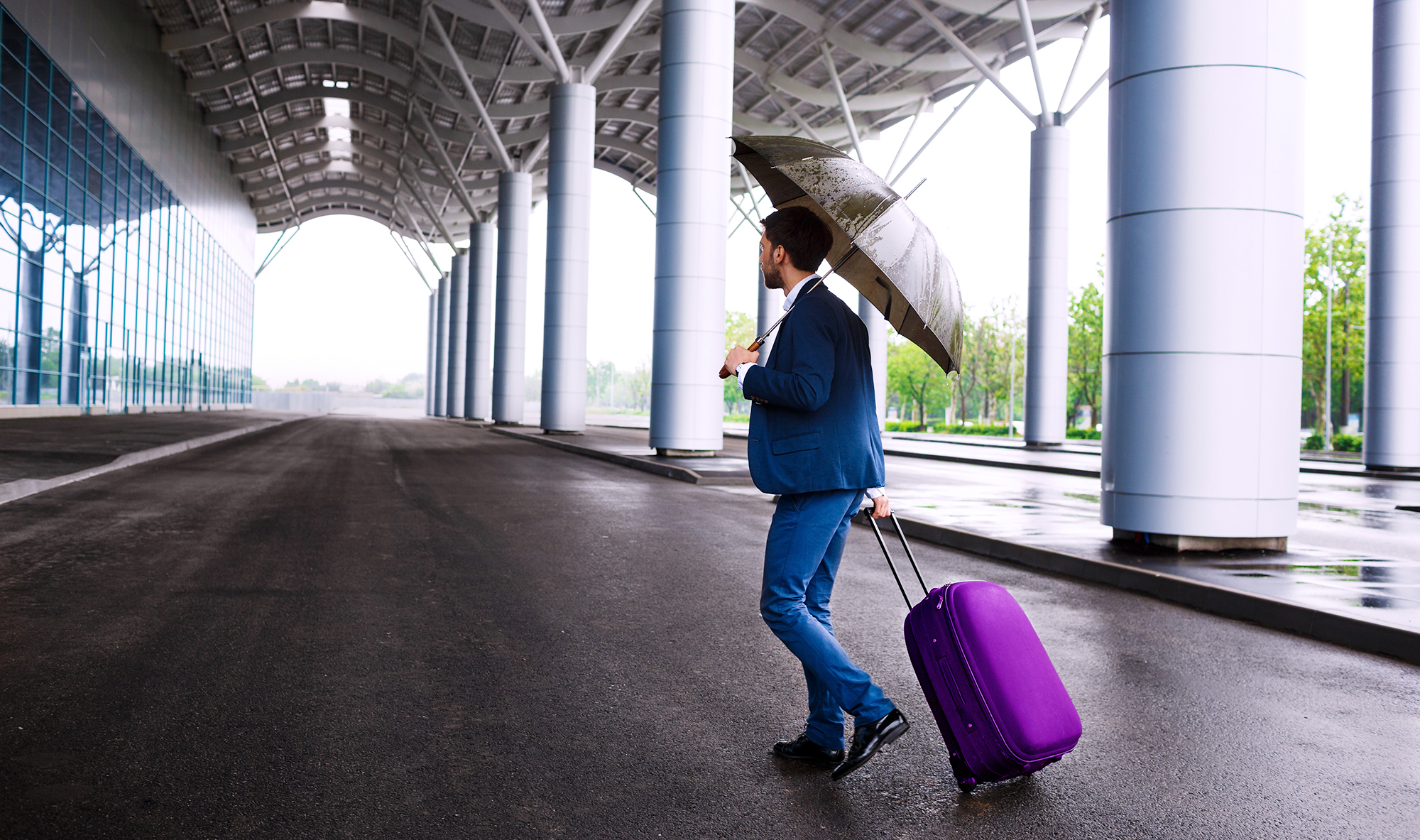
Scenario A: The “Super-Commuter”
A consultant flies from New York to London every Sunday night and returns Thursday.
-
The Failure: They try to keep New York hours while in London, sleeping 4 hours a night.
-
The Result: By week six, their client notes a decline in presentation quality and a sharp increase in typos.
-
The Fix: Adopting a “Permanent Shift” model where they move to a mid-Atlantic time zone for the entire month, rather than oscillating.
Scenario B: The Tech Implementation
An engineer is sent to a remote site for 14 days of 12-hour shifts.
-
The Failure: They work through the weekend to “finish early.”
-
The Result: They suffer a physical injury due to fatigue-induced negligence on day 11.
-
The Fix: Mandatory “Total Disconnect” days where the engineer is forbidden from entering the site or checking email.
Planning, Cost, and Resource Dynamics
The “cost” of burnout is often hidden in the “General & Administrative” (G&A) line item as turnover or lost productivity.
| Resource Type | Cost of Neglect | Investment in Prevention |
| Traveler Health | $50k+ (Replacement cost) | $2k (Premium class/Wellness) |
| Decision Quality | Variable (Millions in deals) | $500 (Extra hotel night for rest) |
| Administrative Time | $100/hr (Employee time) | $20/mo (Automation tools) |
Range-Based Logistics Table:
-
Low-Risk Trip: Domestic, <3 hours, 1 night. (Admin Load: 2 hours).
-
Medium-Risk Trip: Continental, 4-6 hours, 3 nights. (Admin Load: 8 hours).
-
High-Risk Trip: Intercontinental, 10+ hours, 5+ nights. (Admin Load: 20+ hours).
Tools, Strategies, and Support Systems
-
Chronotype Alignment: Using apps to calculate exactly when to seek sunlight and when to avoid it based on the destination.
-
Standardized “Go-Bag”: Eliminating the decision fatigue of packing by having a pre-packed, duplicate set of all essentials.
-
The “Bleisure” Rider: Adding 24-48 hours of personal time at the end of a trip to decompress before returning home.
-
Admin Proxies: Allowing an assistant or colleague to handle “home office” emails during the trip.
-
Wellness Concierge: Utilizing hotel services that focus on ergonomic sleep and nutritional support.
-
VPN-Secured “Deep Work” Hubs: Ensuring the traveler has a reliable, quiet place to work that isn’t their hotel bed.
-
Physical Grounding: A ritual of 30 minutes of walking in the destination’s local park to reset the nervous system.
Risk Landscape and Failure Modes
The primary failure mode in learning how to avoid business travel burnout is “The Resilience Trap.” This occurs when a high-performer believes they are immune to the biological effects of travel.
-
The Compounding Effect: One bad trip doesn’t cause burnout, but three bad trips without adequate recovery time creates a permanent state of high cortisol.
-
The Re-entry Crash: The most dangerous time for burnout is 48 hours after returning home, when the adrenaline of the trip fades and the reality of the backlog sets in.
Governance and Long-Term Adaptation
Organizations must implement a “Traveler Sustainability Policy.” This isn’t a suggestion; it is a governance requirement.
The Sustainability Checklist
-
Minimum Gap Rule: No intercontinental travel within 14 days of a previous long-haul trip.
-
Rest-Period Mandate: If a flight arrives after 8:00 PM, the employee is not allowed in the office until noon the next day.
-
The “Red-Eye” Ban: For employees over a certain age or those with high-frequency schedules, overnight flights in economy are prohibited due to the risk of deep vein thrombosis and cognitive decline.
Measurement, Tracking, and Evaluation
-
Leading Indicator: The “Travel Frequency Index” (TFI)—tracking how many nights away an employee has spent in a rolling 90-day window.
-
Lagging Indicator: Employee turnover in high-travel roles; number of sick days taken immediately following travel.
-
Documentation Example: The “Post-Trip Recovery Log”—a simple 3-question survey: (1) Did you sleep 7+ hours? (2) Did you have 1 meal without a screen? (3) Do you feel capable of making a $1M decision today?
Common Misconceptions
-
“Upgrades are just luxury”: In a business context, an upgrade is a medical and cognitive intervention.
-
“Young employees can handle it”: Biological clocks don’t care about age; sleep deprivation affects 25-year-olds and 55-year-olds similarly in terms of decision error rates.
-
“Short trips are easier”: Frequent 1-day trips are often more exhausting than 1-week trips because they never allow for circadian adjustment.
-
“Alcohol helps you sleep on planes”: Alcohol fragmentizes sleep architecture, making the recovery from the flight significantly harder.
Ethical and Practical Considerations
There is an ethical mandate to protect those whose jobs require them to live “on the road.” Forcing an employee to endure unsustainable travel patterns is a violation of the psychological contract of employment. Practically, a burned-out traveler is a liability—they are more likely to make errors in safety-critical roles, offend clients in social settings, and eventually leave the organization, taking their institutional knowledge with them.
Synthesis of Sustainable Mobility
Mastering how to avoid business travel burnout is a lifelong professional skill. It requires a move from “Endurance” to “Management.” The most successful travelers are not those who can “push through” the pain, but those who have built a sophisticated system of rituals, boundaries, and logistical buffers that protect their mental and physical energy. In the final analysis, the goal of business travel is to deliver a capable human being to a specific location.