Top Luxury Business Travel Plans: Executive Performance Guide
The traditional dichotomy between utilitarian corporate travel and high-end leisure tourism has largely collapsed, giving way to a specialized discipline focused on hyper-efficiency and cognitive preservation. For the modern executive, travel is rarely about the destination and almost always about the maintenance of performance standards across time zones. Top Luxury Business Travel Plans. High-tier mobility is no longer viewed as a perk of seniority but as a logistical necessity to mitigate the physiological and operational friction inherent in global commerce.
When organizations evaluate top luxury business travel plans, the focus shifts from aesthetic indulgence to the optimization of the “traveler’s environment.” A quiet cabin, a seamless transfer, and frictionless check-ins are tools of the trade, designed to ensure that a negotiator arrives at a multi-billion dollar summit with the same mental acuity they possessed at their home office. This transition toward “functional luxury” reflects a deeper understanding of human capital—recognizing that jet lag, logistical delays, and poor environmental control are direct threats to corporate decision-making.
Furthermore, the landscape of premium travel has moved beyond the hardware of first-class suites. It now encompasses a sophisticated ecosystem of digital integration, health-centric amenities, and personalized security protocols. As we look toward the fiscal year 2027, the strategies governing these plans must be resilient enough to handle a volatile global climate while remaining flexible enough to cater to the specific idiosyncratic needs of diverse leadership teams.
Understanding “top luxury business travel plans”
The term top luxury business travel plans is frequently misunderstood as a mere synonym for “expensive flying.” In a rigorous editorial context, these plans represent a comprehensive architecture of services designed to eliminate the logistical “noise” that degrades executive productivity. To understand these plans, one must look past the champagne and caviar to the underlying utility: the preservation of time and the protection of biological rhythm.
A primary risk in oversimplifying these plans is the failure to distinguish between “conspicuous luxury” and “operational luxury.” A conspicuous luxury plan focuses on status markers—brands, labels, and aesthetic flourishes. Conversely, an operational luxury plan prioritizes speed, privacy, and health. For a company, the latter is a strategic investment, while the former is often a decorative expense.
The Layers of High-End Integration
Defining the “top” tier involves assessing four distinct layers of service:
-
The Chronological Layer: How much time does the plan reclaim? This includes private terminal access (FBOs), helicopter transfers to bypass urban congestion, and expedited customs clearance.
-
The Cognitive Layer: Does the environment allow for deep work or restorative sleep? This involves soundproofing standards, ergonomic seating that mirrors office environments, and high-bandwidth, secure connectivity.
-
The Biological Layer: What are the wellness protocols? Specialized meal timing, light-therapy systems in cabins, and jet-lag mitigation programs are now standard in high-tier offerings.
-
The Security Layer: Executive travel often carries inherent risks. Luxury plans frequently integrate “invisible” security, from armored ground transport to secure digital gateways.
The Evolution of Executive Mobility
Historically, the golden age of travel was defined by the sheer novelty of the experience. In the mid-20th century, luxury was synonymous with the journey itself. However, as air travel became commoditized, the “luxury” segment underwent a radical transformation. It became an escape from the crowd.
The shift from the “Grand Tour” mentality to “Precision Logistics” occurred alongside the rise of the 24/7 global economy. When a CEO needs to be in Tokyo, New York, and London within a single week, the traditional definitions of travel break down. The current era is defined by the “Private-Commercial Hybrid” model, where executives utilize fractional jet ownership for regional hops and ultra-long-haul commercial first-class for transoceanic flights. This evolution has forced insurers and travel management companies (TMCs) to develop more nuanced plans that cover these multi-modal journeys under a single umbrella of protection and service.
Conceptual Frameworks for High-End Logistics
To navigate the selection of top luxury business travel plans, organizations should apply specific mental models that prioritize outcomes over amenities.
1. The Friction-Cost Model
This framework posits that every minute spent in a queue, every hour lost to a delayed connection, and every night of poor sleep has a quantifiable cost to the organization. When the cost of friction exceeds the premium for a luxury service, the luxury service becomes the “cheapest” option.
2. The Duty of Care Extension
Traditionally, Duty of Care focused on basic safety. In the luxury context, this expands to “Holistic Well-being.” If an organization sends an executive on a grueling schedule without providing the tools for recovery (such as lie-flat seats or wellness-oriented hotels), they are failing their duty of care by risking the employee’s long-term health and short-term performance.
3. The Confidentiality Perimeter
For high-level negotiations, the public sphere is a liability. This model evaluates travel plans based on the integrity of the “bubble” they provide. Can the executive discuss a merger in the lounge? Is the hotel suite swept for electronic surveillance? Luxury, in this framework, is defined by the strength of the privacy shield.
Core Categories of Premium Corporate Plans
Choosing among the top luxury business travel plans requires a categorization based on the frequency of travel and the specific “theaters of operation.”
| Category | Focus | Best For | Trade-off |
| Fractional Ownership | Total Control | Regional multi-city tours | High capital commitment |
| Bespoke TMC Management | Human-Led Concierge | Complex international itineraries | Higher service fees |
| Tier-1 Commercial Memberships | Network Reliability | Long-haul hub-to-hub travel | Bound by airline schedules |
| Wellness-Integrated Plans | Biological Recovery | Ultra-long-haul (14+ hours) | Limited to specific “health” carriers |
| Security-First Logistics | Risk Mitigation | Emerging markets / High-profile VIPs | Can feel intrusive; slower pacing |
Decision Logic: The “Value-of-Time” Threshold
The transition to a luxury-tier plan usually occurs when an executive’s hourly “effective rate” to the company surpasses the cost of avoiding commercial travel delays. If a missed connection results in a $100,000 loss of opportunity, a $15,000 private charter becomes a logical financial hedge.
Operational Scenarios and Decision Points Top Luxury Business Travel Plans

Scenario A: The Multi-City “Roadshow”
A CFO needs to visit five European cities in three days for investor meetings.
-
Standard Approach: Commercial flights would require five separate check-ins, security lines, and high risk of cascading delays.
-
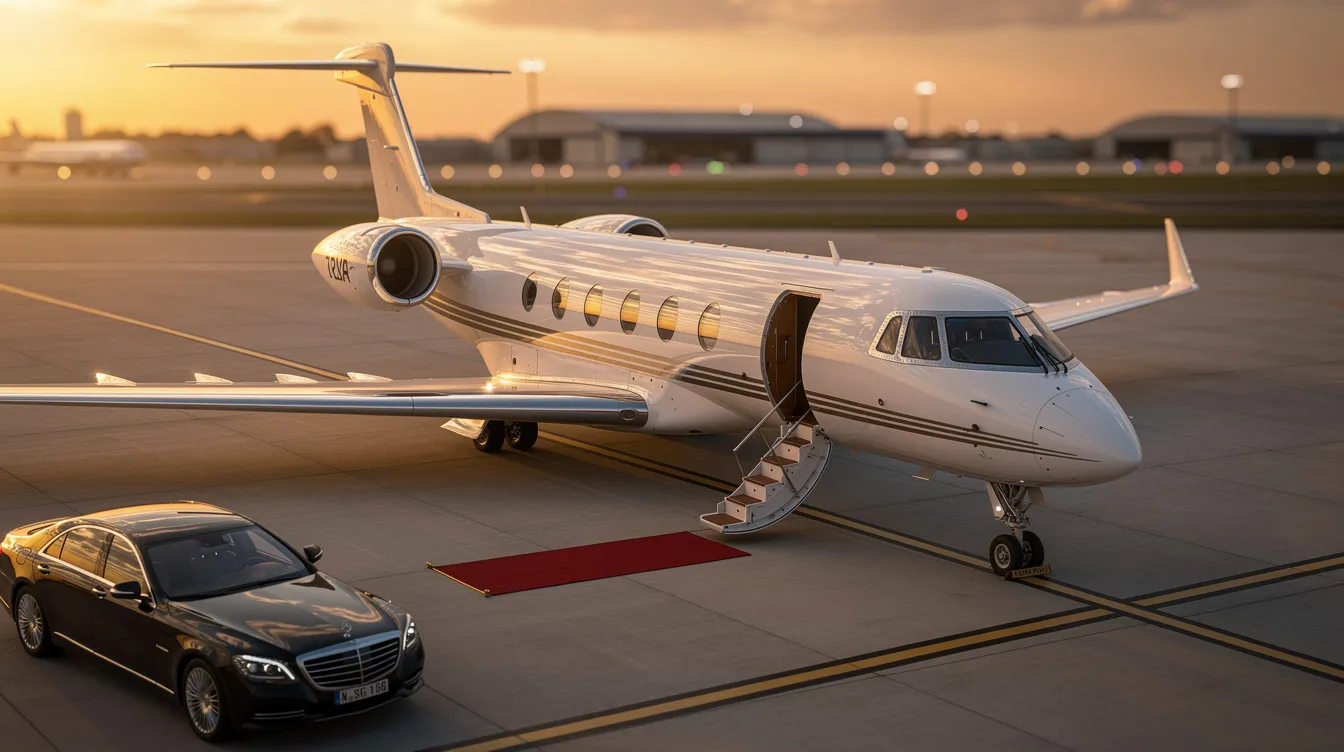
Luxury Plan Solution: A light jet charter. The executive works through the flight; the plane waits on the tarmac; ground transport is synchronized to the wing.
-
Failure Mode: If the plan lacks “weather-diversion” protocols, a single closed airport can still derail the schedule.
Scenario B: The Cross-Pacific Negotiation
A team flies from San Francisco to Singapore for a 48-hour closing window.
-
The Necessity: Arrival at 6:00 AM with a meeting at 10:00 AM.
-
Luxury Plan Solution: An airline plan that includes “Arrival Suites” for showering and napping, coupled with on-board cabin pressure settings designed to mimic lower altitudes, reducing fatigue.
Economic Dynamics: Direct and Indirect Costs
The financial profile of top luxury business travel plans is often opaque. Companies must look at the “Total Cost of Trip” (TCT) rather than just the ticket price.
| Cost Component | Premium Range | Hidden Variable |
| Air Mobility (Private/First) | $5k – $50k+ | Fuel surcharges & repositioning fees |
| Accommodation (Executive Suites) | $1k – $5k / night | Connectivity & secure meeting room access |
| Ground Logistics (Chauffeur) | $500 – $2k / day | “Wait time” billing and airport permits |
| Management Fees | 10% – 20% of spend | Quality of the 24/7 human “fixer” |
Indirect Costs: The primary indirect cost is “Burnout Dilution.” An executive who travels 200 days a year in sub-optimal conditions has a shorter “shelf life.” Replacing a high-level executive costs significantly more than a decade of luxury travel plans.
Support Systems and Strategic Infrastructure
The “luxury” in these plans is often produced by an invisible infrastructure. Without these support systems, the plan is merely a collection of expensive receipts.
-
The “Fixer” (Travel Counselor): A dedicated human who knows the executive’s preferences (e.g., “no hotels above the 5th floor for fire safety” or “must have a specific humidity level”).
-
Shadow Itineraries: Maintaining a backup commercial booking even when flying private, in case of mechanical failure.
-
Digital Fortressing: Providing temporary “clean” devices or VPNs that are specific to the travel plan.
-
Health Concierge: Access to remote medical consultations that can prescribe local equivalents of medications.
-
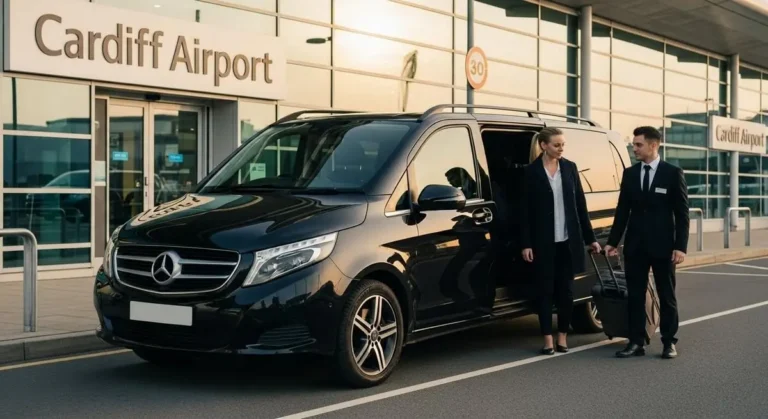
FBO (Fixed Base Operator) Network: Private terminals that bypass the main airport, offering 10-minute “curb-to-cabin” transitions.
The Risk Landscape of High-End Travel
Surprisingly, luxury travel introduces unique risks that standard travel does not.
-
Target Recognition: A high-end chauffeur car or a private jet can signal the presence of a high-value individual to bad actors.
-
Over-Isolation: An executive in a “bubble” may lose situational awareness regarding local customs or simmering social unrest.
-
The “Single-Point-of-Failure” Jet: If a private jet has a mechanical issue in a remote area, there may not be another one available for 24 hours.
Governance and Policy Adaptation
A luxury plan must be governed by a rigorous “Travel Policy 2.0.” This policy should define exactly when luxury is a requirement versus a preference.
The Layered Checklist for Policy Review:
-
Thresholds: Does the flight duration exceed 6 hours? Is the destination “High-Stress”?
-
Review Cycles: Every 6 months, analyze if the “time saved” by private aviation actually translated to increased meeting volume or faster deal closure.
-
Adjustment Triggers: If an executive’s health metrics (via wearable data, if permitted) show declining recovery, the plan must automatically “up-tier” the accommodation or rest-period requirements.
Measurement, Tracking, and Evaluation
ROI in luxury travel is measured through “Cognitive Availability.”
-
Quantitative: Number of hours reclaimed from transit.
-
Qualitative: Post-trip “Performance Readiness” self-assessment.
-
Documentation: Maintaining a “Log of Friction” to identify where even the luxury plan failed (e.g., “Hotel wifi was insufficient for video board meeting”).
Common Misconceptions
-
“It’s just about the seat”: The seat is 10% of the plan; the logistics of getting to and from the seat are 90%.
-
“Private is always faster”: For transoceanic flights, commercial wide-body jets are often faster due to air traffic priority and speed capabilities.
-
“Luxury means no work”: In the business context, luxury means the ability to work without interruption.
-
“Expense is the only barrier”: Often, the barrier is the administrative complexity of managing bespoke logistics.
Synthesis of the Modern Travel Asset
As global markets become more interconnected yet more physically demanding to navigate, top luxury business travel plans will continue to evolve from “perks” into “performance assets.” The companies that master this distinction will not only retain their top talent longer but will ensure that their leadership arrives at the global table ready to perform at the highest level. In the final analysis, the most luxurious thing a company can provide its employees is the ability to do their jobs without the world getting in the way.